Oneiros logo

Oneiros Engine

Dream-State Narrative & Cognitive Systems
Chen Lyu

Chen Lyu

Interdisciplinary Engine Designer · Narrative–Cognitive Systems Architect
Systems Biology Systems Science Digital Game Engines Narrative Programming Dream & Reflection Research AI-assisted Sensemaking
Research and engine work
Research ↔ Engine translation (selected highlights)
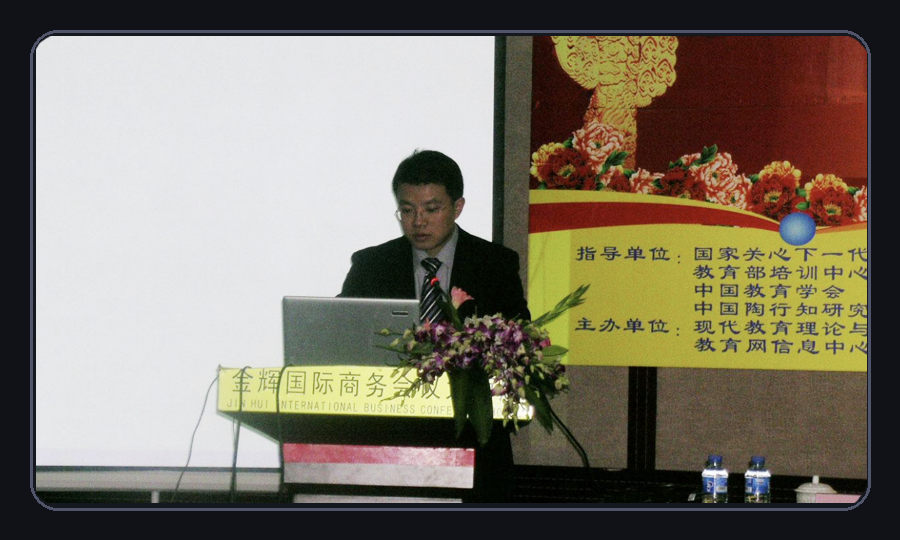
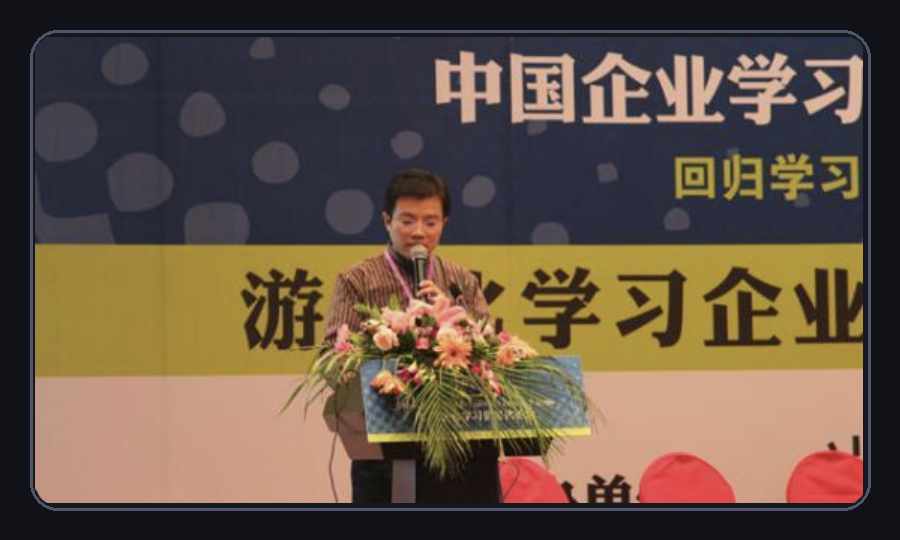
Research / speaking
Research / speaking
Awards & field work
Awards & field work
My work lies at the intersection of biology, systems science, digital game engines, and dream research, where I treat design as a form of interdisciplinary system inquiry.

I specialize in translating research from learning science, systems biology, and narrative theory into functioning engines and frameworks—bridging disciplinary language gaps between research and practice.

Rather than producing isolated artifacts, I focus on building reusable methods and infrastructures, such as hybrid learning engines and narrative–cognitive modeling systems, that can evolve over long time horizons and be tested by real users.

My research interests emphasize slow variables—cycles, drift, balance, and recovery—and how they shape learning, decision-making, and subjective experience over time.

I approach this work with explicit boundary awareness: the systems I design are non-diagnostic and non-prescriptive, intended to support reflection, sense-making, and interdisciplinary collaboration rather than clinical intervention.

Industry & Applied Systems

In industry-facing contexts, I design and deliver functioning engines and platforms that translate research into deployable systems. My work emphasizes robustness, scalability, and long-horizon usability with real users.

  • Educational and cognitive game engines
  • Software–hardware integrated learning systems
  • AI-assisted platforms tested in real classrooms and workflows
  • Iterative system evolution informed by user feedback

Academic & Research Practice

In academic and research-oriented settings, I treat design as system inquiry. I integrate biology, systems science, narrative theory, and computational modeling to study how experience, learning, and decision-making can be represented as systems.

  • Interdisciplinary system modeling and translation
  • Narrative–cognitive frameworks (NNG, state–cycle abstractions)
  • Focus on slow variables: drift, balance, recovery, and rhythm
  • Explicitly non-diagnostic, non-prescriptive research boundaries

Selected Visual Evidence

A compact set of visuals to support the narrative: research communication, engine interfaces, and recognitions.
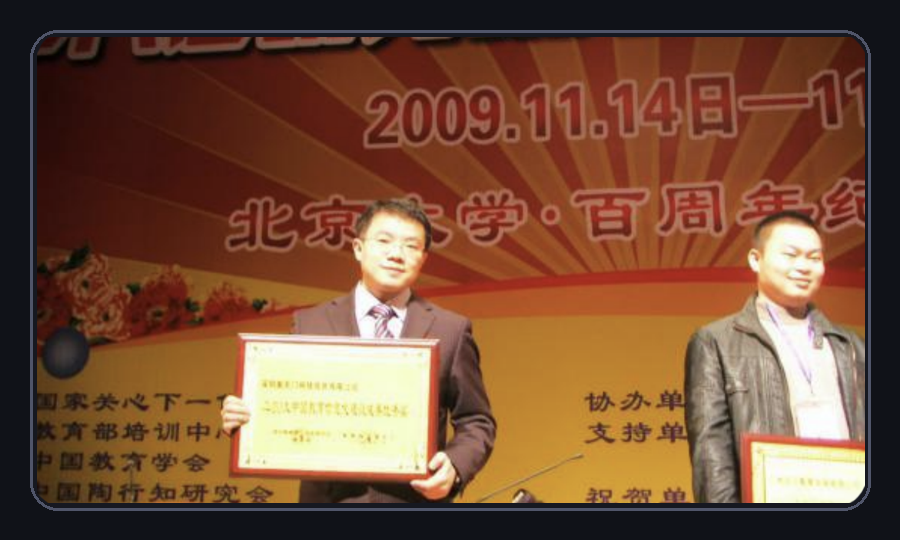
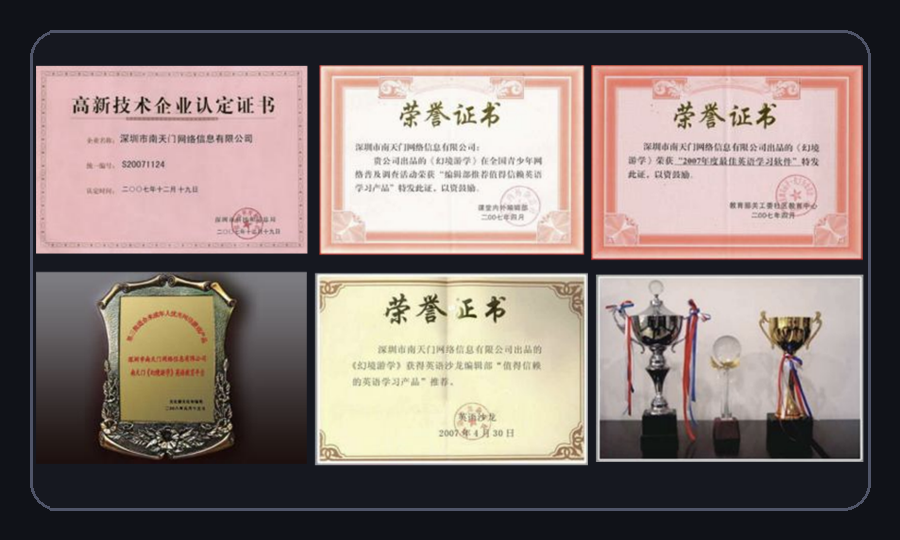
Award 01
Recognition / award
Award 02
Recognition / award
Award 03
Recognition / award
Award 04
Recognition / award
Award 05
Recognition / award
Award 06
Recognition / award

Oneiros Engine (2024–2026)

Oneiros Engine is a narrative–cognitive modeling framework that treats dreams, memories, and subjective experience as structured, replayable data. The engine extends game engine logic into the domain of cognition, making internal experience observable through system-level abstractions.

Core innovation

Narrative as data: experiences are captured, encoded, linked, and replayed across time using graph-based structures rather than clinical categories.

Interdisciplinary foundation

Systems biology (state & balance), systems science (feedback & cycles), game engines (state machines & replay), and dream research (symbolic narrative).


NNG — Narrative Neural Graph

A graph structure linking motifs, emotional states, decisions, and contextual evidence. Enables long-horizon replay, comparison, and drift detection across months or years.

Scientific Translation Layer

Qualitative experience is translated into state–balance–cycle variables (load, capacity, rhythm, recovery) to preserve interpretability without mysticism.

Uniqueness: Oneiros Engine is neither a therapy tool nor a traditional AI product. It is a cognitive infrastructure designed by a game engine architect with a biology background, positioned between reflection, systems thinking, and human–AI collaboration.

XDesk / XEST 2.0 (2021–2023)

Before Oneiros, I led the design of XDesk / XEST 2.0, a hybrid inquiry-based learning ecosystem integrating software, hardware, hand-drawing, and media capture into a unified educational engine.

XEST 2.0 established the methodological foundation that later evolved into Oneiros Engine: treating learning, narrative, and experience as system-level phenomena rather than isolated events.

Condensed Timeline (reverse chronological)

Docs Architecture Applications